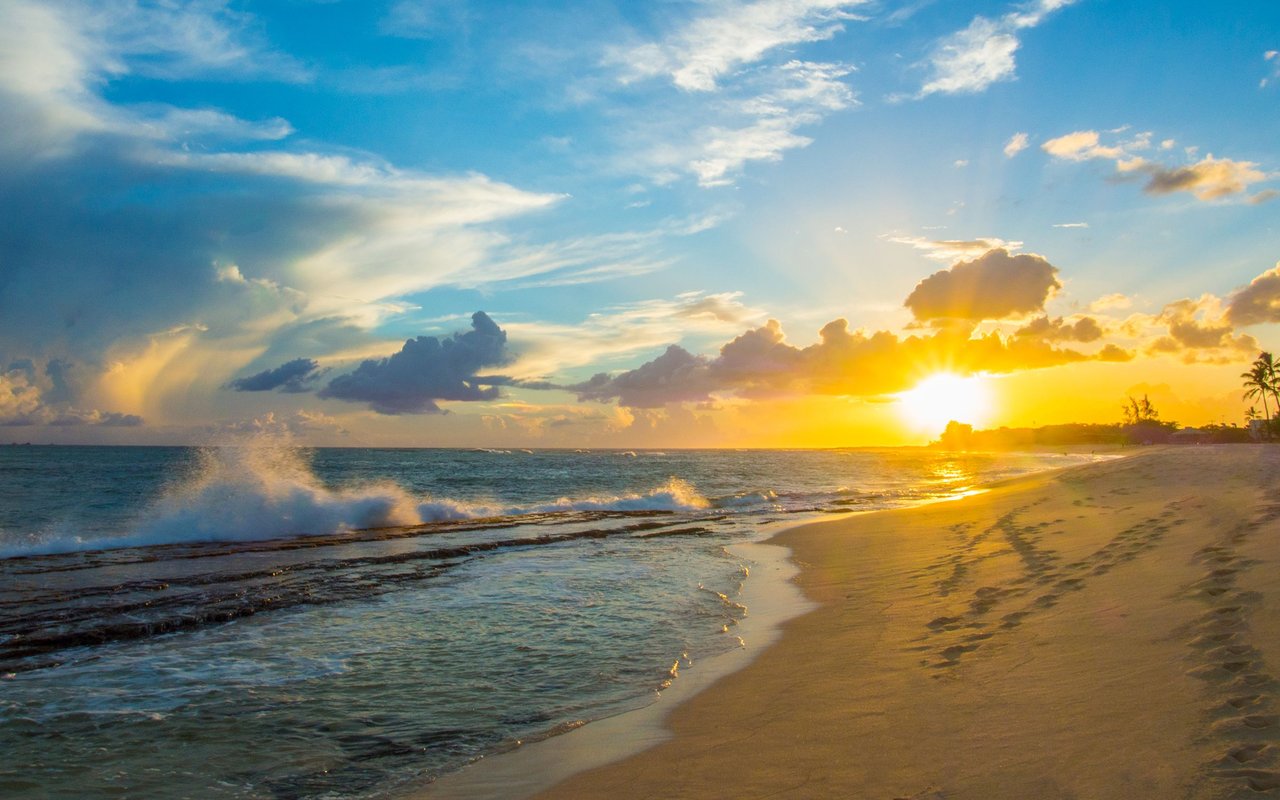
Welcome to Ewa Beach
Ewa Beach is a coastal suburban community on Oʻahu's leeward (southwest) shore, roughly 30–40 minutes west of Honolulu's urban core and adjacent to the growing Kapolei "second city." Once a plantation town, Ewa Beach has transformed over recent decades through large-scale, master-planned residential developments that deliver a broad supply of newer homes, townhouses, and condominiums at price points generally more attainable than central Honolulu.
Much of Ewa's housing stock consists of planned subdivisions developed by major island builders, featuring cohesive streetscapes, community parks, sidewalks, and neighborhood amenities — pocket parks, playgrounds, community centers, and engineered stormwater and utility infrastructure. These projects often include a range of product types (attached townhomes, stacked flats, and single-family detached homes) and phased building schedules that help increase inventory and offer entry points for first-time buyers and downsizers alike. Newer developments tend to emphasize energy-efficient building practices, modern floor plans, and attached garages or off-street parking that appeal to everyday suburban needs.
Affordability in Ewa Beach is relative: prices are typically lower than equivalent properties closer to Waikīkī or central Honolulu, especially for newer, Planned Unit Developments (PUDs) and attached housing. Developers have also incorporated for-sale and rental options that broaden market access, and occasional affordable-housing or workforce housing programs in nearby Kapolei and West Oʻahu supplement available choices. That said, waterfront and ocean-view parcels still command premiums, and demand from buyers seeking more space and newer construction can push prices up in popular tranches.
The master-planned nature of these communities has encouraged growth in supporting infrastructure and services — new schools, retail centers, medical offices, and recreational facilities — often coordinated with development phases. Proximity to Kapolei's expanding retail and employment centers, as well as highway access via H-1 and Farrington Highway, makes Ewa Beach attractive to buyers prioritizing value, modern construction, and suburban conveniences while retaining straightforward beach access and outdoor recreation opportunities.
83,467 people live in Ewa Beach, where the median age is 33.9 and the average individual income is $39,989. Data provided by the U.S. Census Bureau.
Total Population
Median Age
Population Density Population Density This is the number of people per square mile in a neighborhood.
Average individual Income
There's plenty to do around Ewa Beach, including shopping, dining, nightlife, parks, and more. Data provided by Walk Score and Yelp.
Explore popular things to do in the area, including Eats and Treats by Laiza, Angie's Pound Cakes, and Hypersquad For Life.
| Name | Category | Distance | Reviews |
Ratings by
Yelp
|
|---|---|---|---|---|
| Dining | 0.29 miles | 6 reviews | 5/5 stars | |
| Dining | 0.76 miles | 5 reviews | 5/5 stars | |
| Active | 3.23 miles | 16 reviews | 5/5 stars | |
| Active | 2.93 miles | 7 reviews | 5/5 stars | |
| Active | 1.91 miles | 41 reviews | 5/5 stars | |
| Beauty | 2.99 miles | 19 reviews | 5/5 stars | |
| Beauty | 1.58 miles | 5 reviews | 5/5 stars | |
| Beauty | 4.26 miles | 17 reviews | 5/5 stars | |
|
|
||||
|
|
||||
|
|
||||
|
|
||||
|
|
||||
|
|
Ewa Beach has 23,441 households, with an average household size of 3.55. Data provided by the U.S. Census Bureau. Here’s what the people living in Ewa Beach do for work — and how long it takes them to get there. Data provided by the U.S. Census Bureau. 83,467 people call Ewa Beach home. The population density is 4,891 and the largest age group is Data provided by the U.S. Census Bureau.
Total Population
Population Density Population Density This is the number of people per square mile in a neighborhood.
Median Age
Men vs Women
Population by Age Group
0-9 Years
10-17 Years
18-24 Years
25-64 Years
65-74 Years
75+ Years
Education Level
Total Households
Average Household Size
Average individual Income
Households with Children
With Children:
Without Children:
Marital Status
Blue vs White Collar Workers
Blue Collar:
White Collar: