Welcome to Kapolei
Kapōlei is West Oʻahu's fast-growing "second city," planned and built to concentrate jobs, services, and housing outside central Honolulu. Originally developed on plantation-era lands, Kapolei has rapidly evolved into a regional hub with master-planned neighborhoods, shopping and medical centers, educational institutions, and entertainment venues that make it a focal point for investment and daily life on the leeward coast.
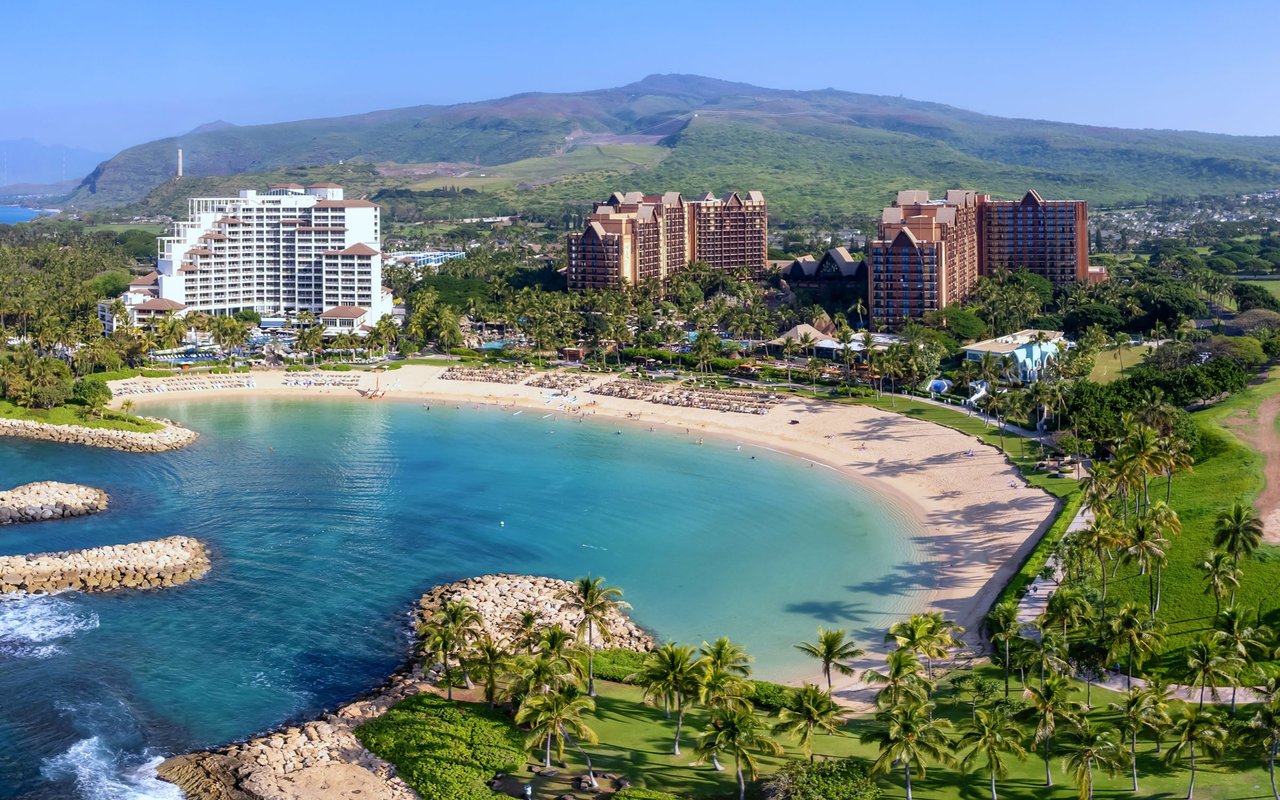
The area's development momentum centers on infrastructure and institutional anchors. The HART rail's western expansion improves regional connectivity and is expected to shorten commutes to central Honolulu and other job centers. Kapolei hosts major civic and health facilities, including the new VA medical center, which brings healthcare jobs and specialty services to West Oʻahu. Leeward Community College provides workforce training, continuing-education programs, and a growing campus presence that supports local career pathways and industry partnerships. Nearby Ko Olina Resort and Marina add a strong hospitality and leisure component — resort hotels, golf courses, and a marina that support tourism employment and recreational opportunities.
Kapolei's mixed-use commercial centers — Kapolei Commons, Ka Makana Aliʻi, and various business parks — offer retail, dining, entertainment, and expanding office and light-industrial space, helping attract employers and diversify the local economy. Master-planned residential communities supply a broad range of housing types, from starter homes and townhouses to larger single-family lots and higher-end developments, creating options for buyers and renters seeking newer construction and suburban amenities. Public and private investment in roads, schools, parks, and civic services continues to advance as the area matures.
For developers and residents alike, Kapolei represents opportunity: a growing labor market, improving transit connectivity, institutional anchors like the VA center and Leeward Community College, and proximity to Ko Olina's resort offerings — all set within a coordinated planning framework intended to support long-term growth and a more self-contained regional center on Oʻahu's leeward side.
49,316 people live in Kapolei, where the median age is 35.2 and the average individual income is $46,304. Data provided by the U.S. Census Bureau.
Total Population
Median Age
Population Density Population Density This is the number of people per square mile in a neighborhood.
Average individual Income
There's plenty to do around Kapolei, including shopping, dining, nightlife, parks, and more. Data provided by Walk Score and Yelp.
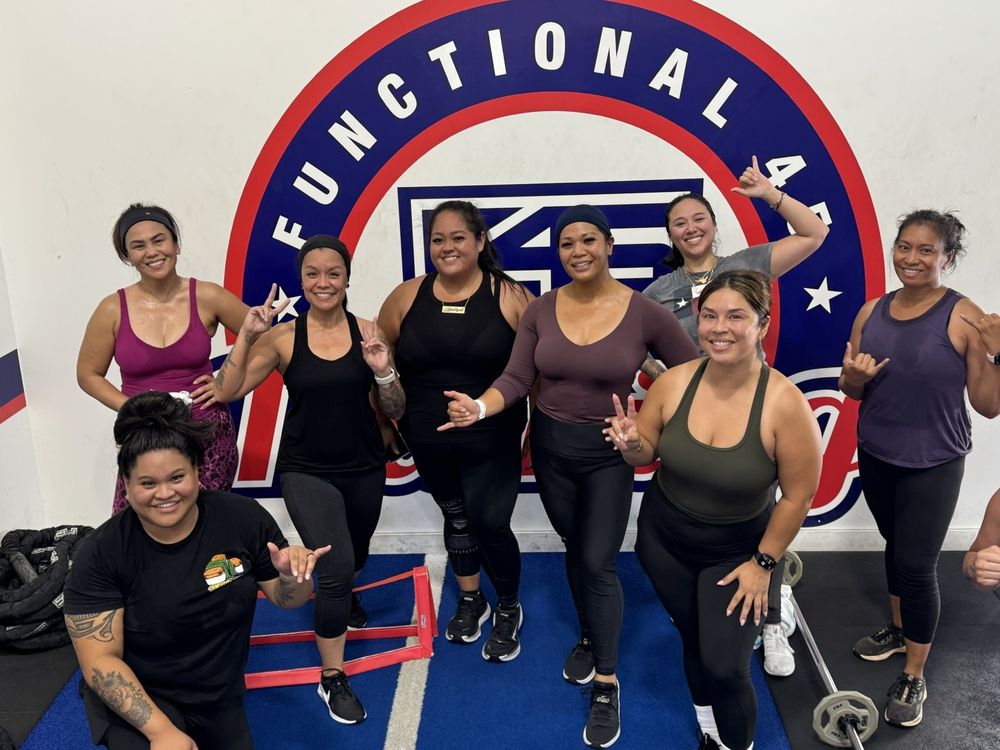
Explore popular things to do in the area, including Chris Peanut Shop II, Unkoz Garage, and F45 Training Kapolei West.
| Name | Category | Distance | Reviews |
Ratings by
Yelp
|
|---|---|---|---|---|
| Dining · $$ | 4.36 miles | 14 reviews | 4.9/5 stars | |
| Active | 2.66 miles | 32 reviews | 5/5 stars | |
| Active | 2.29 miles | 24 reviews | 5/5 stars | |
| Active | 3.43 miles | 123 reviews | 5/5 stars | |
| Active | 2.46 miles | 6 reviews | 5/5 stars | |
| Active | 3.09 miles | 16 reviews | 4.9/5 stars | |
|
|
||||
|
|
||||
|
|
||||
|
|
||||
|
|
||||
|
|
Kapolei has 15,054 households, with an average household size of 3.21. Data provided by the U.S. Census Bureau. Here’s what the people living in Kapolei do for work — and how long it takes them to get there. Data provided by the U.S. Census Bureau. 49,316 people call Kapolei home. The population density is 1,136 and the largest age group is Data provided by the U.S. Census Bureau.
Total Population
Population Density Population Density This is the number of people per square mile in a neighborhood.
Median Age
Men vs Women
Population by Age Group
0-9 Years
10-17 Years
18-24 Years
25-64 Years
65-74 Years
75+ Years
Education Level
Total Households
Average Household Size
Average individual Income
Households with Children
With Children:
Without Children:
Marital Status
Blue vs White Collar Workers
Blue Collar:
White Collar: